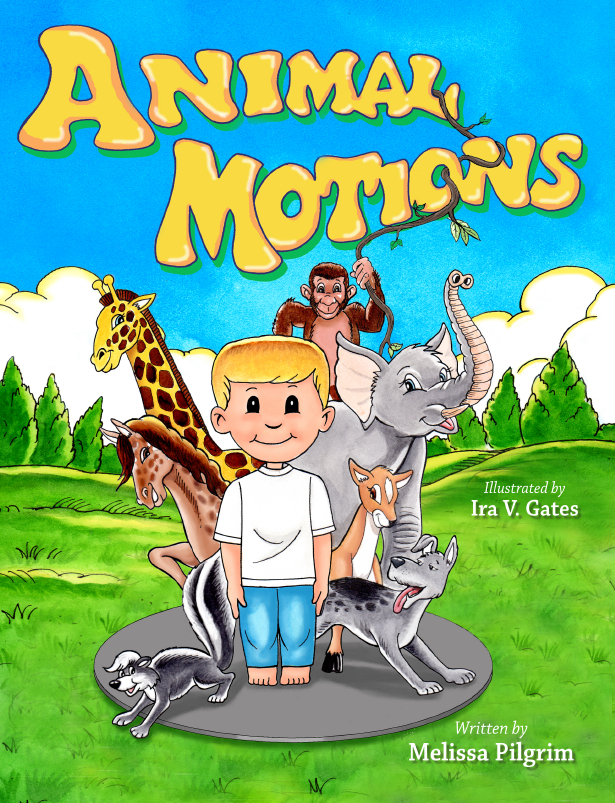
Professional writer, editor, and script consultant Melissa L. Pilgrim available for help with all your writing endeavors-- be it a book, screenplay, staged play, TV series, or business website (for content and newsletters). 

My two passions in life are writing and helping others write!

You can read my full writing background in my bio, but the basics are I've had 16 plays produced around the country, 4 screenplays optioned, I TV series optioned, have been hired to write numerous treatments, screenplays, and series book bibles for various TV and film production companies (including Martin Sheen's ESP Productions at Warner Brothers), and have edited (and helped launch) 5 books from L.A. to N.Y.C.

I have worked in all forms of entertainment and know how to take a project from its concept to a finished story. So whether it’s with how to get started, how to finish it, or you just need someone to evaluate or edit your work before you send it out I am here to assist you. 

If your dream is to see your words get published-- or watch them come to life on either the screen or stage-- then let me help you REACH THAT GOAL!

I offer:
Script Consulting/Editing
Personal Writing Coaching
P.R. Assistance
Pitching Help
Research Services
Writing for Hire


(Click Here for details on each.)


Writing Workshops: Contact me at mlpilgrim@yourwritingmuse to learn about my Budding Authors Workshops held throughout the year in the inspirational setting of New Hampshire's White Mountains.  Next Session:  (T.B.A. soon...)

__________________________________________________________________

Client Testimonies:

"Thanks for your wonderful work, Melissa.  God Bless!"
-- Ramon Estevez, President, ESP Productions (Martin Sheen's Company), Warner Brothers Studios, Burbank, CA


Click Here for More Testimonies...


FREE BONUS:  Read my article below from Script Magazine offering 12 simple tips for screenwriters to follow when entering a writing contest:

‘Tis the Season... Again
By Melissa L. Pilgrim

Spring:  It’s a time when all things seem to get a brand new start— trees, flowers, young (and old) lovers, and of course, the birth of new ideas. Which is why it seems only natural that most of the country’s leading screenwriting contests would set their deadlines in spring.

The contest officials must know that after a writer hibernates throughout the winter months feverishly conceiving and developing that “Oscar®-worthy” story, spring is the perfect time to get the little creation out and into the hands of someone who can actually do something with it.  For if the writer doesn’t happen to have an uncle who is the president of a major studio— or even knows the president— then what better way to let his or her work get noticed than to enter it in a world-wide screenwriting contest? It’s what I did as an unknown writer to help land an agent and break into the business, and more and more people are figuring out that it’s a good way for them to do it as well.

In fact, everyone is trying contests now, from the serious film student to the busboy at your local diner. And although that’s what these contests are for, they are also becoming a very profitable way for some companies to find a few good stories to develop among the thousands of hopeful attempts sent in. After reading hundreds of those attempts as a judge in two contests over the past several years, I have compiled these twelve simple tips for writers to keep in mind before they sign all those “submission” checks that tend to go along with entering many of these contests. I hope they will help.

1. Follow the guidelines for submission for each contest.  This sounds obvious, but apparently it isn’t because a number of the guidelines are disregarded on a regular basis. The three main mistakes made include:
a) Page Length: Make sure that the script is not longer or shorter than the requested page length.
b) Format: The script should be written in standard screenwriting format, not like a novel, sitcom, or stage play. If you do not know what standard screenwriting format looks like, find out. There are many good books and writing programs available to teach you.
c) Do not include the author’s name on the title page. Don’t worry, the scripts are usually numbered and then read anonymously and no script has ever been mixed up with someone else’s as far as I know, so assume that yours won’t be either.

2. Do not send the original copy of the script.  Also make sure that all the pages are included in the copy that you are sending in, and that it is copied on one side only. (Most judges recycle the scripts that don’t win, so the environment is considered.)

3. Bind the script with standard card stock in either white or black only and use two, not three, brass fasteners with washers to hold it together. Do not spend extra time and money making it look like a spiral notebook or a classic bound leather edition of the world’s greatest work. It will only stand out as looking amateur instead of impressing anyone. Trust me.

4. Do not include any threats, statements, or warnings that your script is registered and cannot be stolen by the judge who is about to read it. Not only is this perceived as rude, it also isn’t the smartest way to make a first impression on the person who is about to decide if your script goes any further than their own living room. A professional writer would always copyright his or her material before sending it anywhere anyway, so most judges "assume" it is registered before they even open the first page. Many contests will also have you sign a release form— which is a standard legal agreement that all studios have people sign before reading any material not submitted by an agent or entertainment lawyer— so you cannot easily prove your idea was stolen anyway. But believe it or not, most stories can be found to have elements of other stories in them dating all the way back to Homer’s work. So unless it’s “really” original, relax and know that the judge’s intention is not to steal your idea.

5. Know who your intended viewing audience for your script is and make sure the contest is looking for that type of project.  Many contests do not want documentaries, TV movie-of-the-week stories, feature-length versions of well-known TV shows, true stories of current news events, or adaptations of best-selling books because legally they would have to have the rights to those kinds of things before they even start to produce them. And frankly, if it really is that great of an idea for a story, it’s probably already in development with the original people involved by the time you’ve sent it in anyway.

6. Do not include sheet music or tapes with sound effects, musical scores, or songs to be included in the soundtrack.  These contests look for writers, not composers or Foley artists.

7. Do not include pictures or drawings of set designs, how the characters should look, or use storyboards within your script to explain what things should look like onscreen. Again, these contests are looking for writers.  If you can’t describe things using words, then maybe you should consider directing instead of writing.

8. Use spell check.

9. Make sure your story has a main plot.  Jerry Seinfeld can do two hours of a film (presumingly) about “nothing” using only subplots and endless chatter to keep it interesting if he wants to, but the rest of us usually need a clear main storyline to make it work.

10. This is a big one... before you even send your script in, have at least five people who are not related to you in any way read it and give you honest feedback. Pay attention to their comments objectively. If all agree that the yellow-sweatered lady is completely unnecessary, she probably is. Don’t worry if you have to revise it two, three, or even twenty times before people say it’s great— or even good. Most professional screenwriters would never let their own mothers read their first drafts, let alone their agents! And remember-- if Shakespeare’s plays can be adapted and changed as much as they have been in the last 400 years, yours can too. But don’t get discouraged, no matter how many times you have to rewrite it. Always keep in mind that writing is revising— it’s part of the process.

11. Let the contest officials contact you about how your script is doing. Most companies send letters to let you know if your script went on to the next level or not after each round is judged which can take months-- so be patient. The only exception to this is in the rare case that your script gets bought during the contest. If this happens, contact them so the script can be pulled from the competition if the rules dictate that it should be so another writer will have a chance to win. (Oh, and congratulations!)  However, if you do not hear anything from the officials after several months and you then start to receive flyers announcing their next year's contest, assume your script did not go on or win anything.

12. Have fun and good luck!


ABOUT THIS AUTHOR:   Melissa L. Pilgrim is a freelance writer who's had 16 plays produced around the country, 4 screenplays optioned, and has been hired to write for several film and TV production companies in Los Angeles including Martin Sheen's ESP Productions. She also works as a script consultant and editor helping other writers realize their writing dreams.  She’s available to critique your script before sending it off to writing contests as well.

                                                (Script Magazine, April, 2005)